Territory
The Lugana area
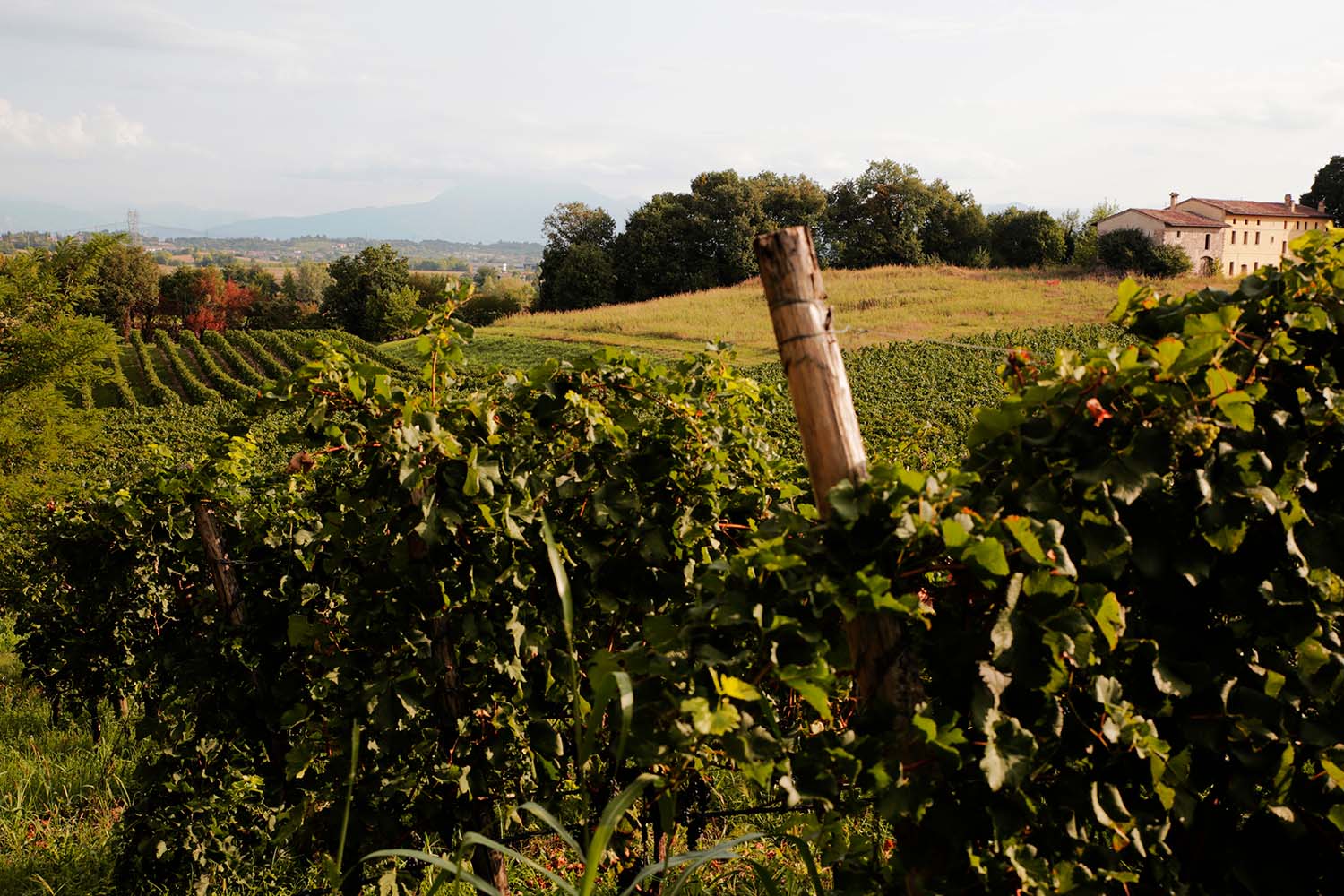
The challenge that Francesco and Michele Montresor decided to face in Lugana is based on the firm conviction that prestigious wines need to be recognisable in the way they are made. The rationale is based on creating modern wines while respecting the vital combination of the soil and the grape variety.
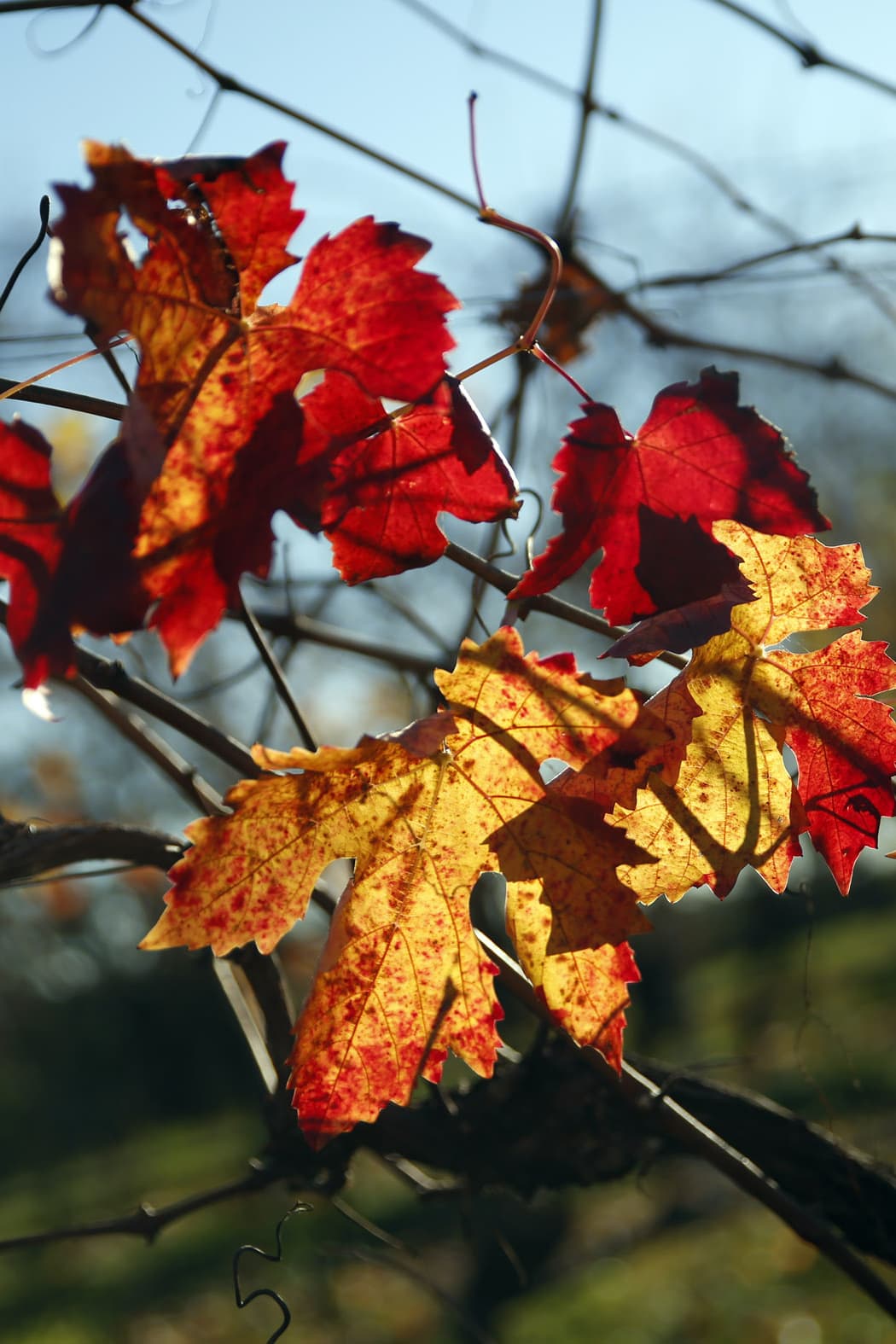
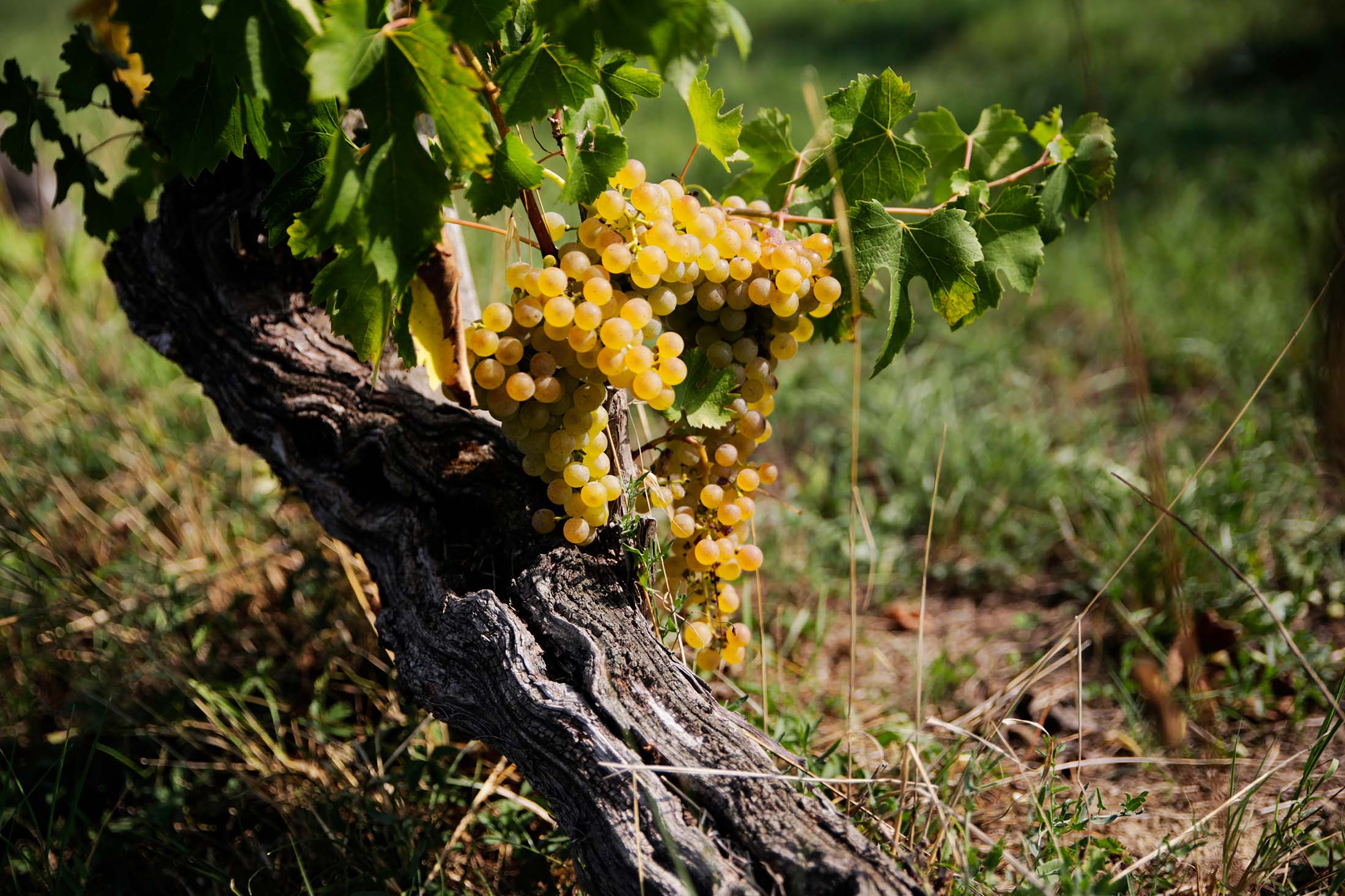
Trebbiano di Lugana, locally known as ‘Turbiana’, is an ancient native grape variety, mentioned by the Latin poet Catullus. It is ultimately expressed in combination with the purest of clays typical of the Lugana terroir.
According to many experts, it is genetically similar to Verdicchio, yet in phenological, agronomic and oenological terms it is completely separate. Recent studies by the University of Milan have identified the genome of ‘Trebbiano di Lugana’ with characteristics that cannot be attributed to other Trebbiano grape varieties. Traditionally, a double canopy planting system is used, with about 18 buds. More recent planting systems have a higher number of vines per hectare, resulting in a reduction in the number of buds, about 10-12. The grape variety is not very robust, bearing in mind that the first two buds are unproductive.
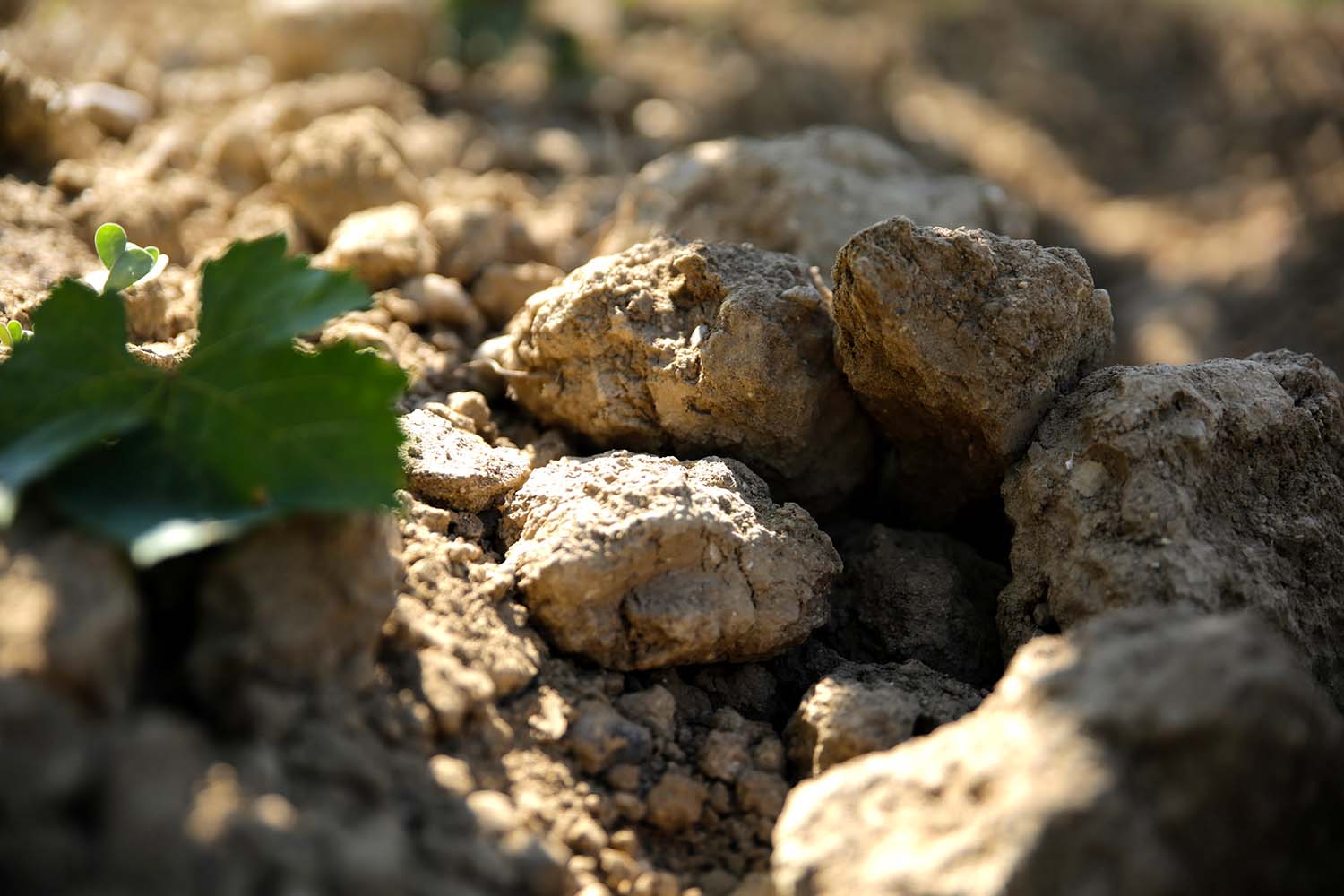
The soil is clearly of glacial origin. The descent of ice towards the valley, and the detritus it carried, created an amphitheatre of moraine hills, leaving the Lugana basin in its wake.
This land consists of separate layers of sediment. Today, when observing a cross-section of the soil, it appears to be formed by a large number of limy clay layers, relatively thin, with a 60-80 cm upper layer comprising loose clay.
With its patchy distribution, the composition of the clays varies greatly from area to area: predominantly calcareous and rich in mineral salts, they become more sandy in the hilly part of the area.
The background explains how an “apparently normal” grape variety, in combination with the purest clays, is transformed into a spectacular white wine, expressing details through emotions.
Young wines such as Lugana DOC and Lugana DOC Le Creete, are endowed with exclusive freshness that is sapid and snappy. Refined and unusual, the flavour offers salty, spicy and smoky notes. The acidic edge bestows energy and flavour, becoming more expansive and attractive over time. But the true spirit of Lugana emerges in the wines after aging. Over time, Lugana Riserva Molceo changes and its mineral notes come out in full force. Hydrocarbons emerge again, and thanks to the clays, the wine preserves its unpredictable longevity.
Lugana DOC
The Lugana production area straddles the provinces of Verona and Brescia. Lugana DOC wine is made in the following municipalities: Sirmione, Desenzano, Lonato, Pozzolengo and Peschiera del Garda.
The soil and the exceptional microclimate of this area of Lake Garda provide excellent conditions for growing the Trebbiano di Lugana grape variety. Only here, does it reach the ripening required for the wine to express its full potential and finest qualities. Wine is obtained from the pure vinification of these grapes, to which other non-aromatic white grapes may be added in small quantities. In the Reserve version, the colour is enriched with golden hues and greater structure, whereas the sparkling version is fresh and elegant.


